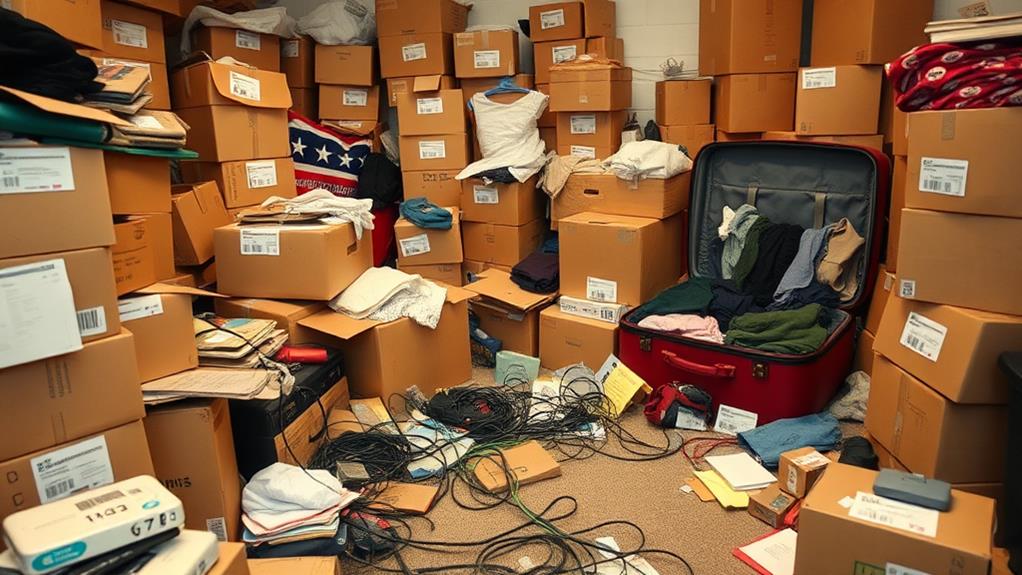
Avoiding long-distance packing mistakes is essential to a successful move. Delaying packing disrupts your schedule, and forgetting essentials causes stress. Start early and organize, labeling everything clearly to prevent confusion. Misjudging packing time pressures you, risking forgotten items. Proper packing materials guard against damage, and professional movers ensure efficient, safe handling. Overloading boxes or skipping insurance can lead to broken items and unexpected costs. Keeping important items accessible makes transitions smoother. By addressing these details, you maintain order and reduce stress, making the moving process a breeze. Follow these guidelines to unlock further tips for a seamless transition.
Procrastinating on Packing
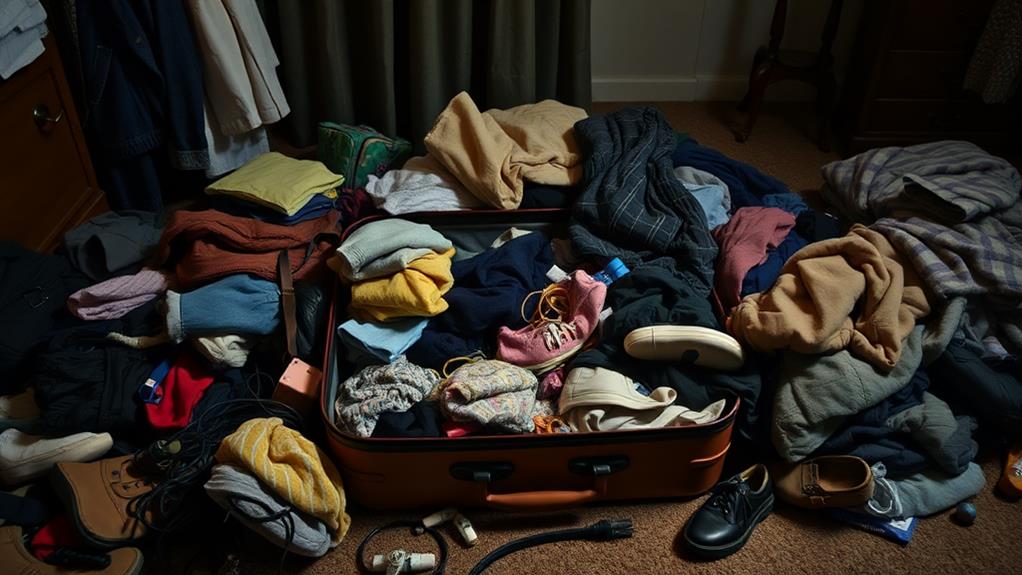
Procrastinating on packing can derail your entire moving process. When you put off packing, you fall into common packing mistakes, like forgetting essential items or misplacing important documents.
It’s easy to think you have plenty of time, but that mindset often leads to rushed decisions. Moving becomes more stressful, and the likelihood of chaos increases. Instead, start packing at least a month in advance. This gives you the time to sort through your belongings gradually and make smart choices about what to keep, donate, or sell.
Additionally, obtaining affordable moving quotes well in advance can help you budget effectively and avoid last-minute financial surprises.
Early packing allows you to tackle one room at a time. This systematic approach helps you stay organized and avoid last-minute chaos.
Misjudging Packing Time
It’s easy to misjudge how much time packing actually requires, leading to a flurry of rushed decisions and elevated stress as your move date looms. One of the common mistakes people make during long distance moves is underestimating the time needed to pack efficiently. If you wait until the last minute, you might end up with forgotten essentials or items improperly packed, which can complicate your move.
To ensure a more streamlined process, consider creating a timeline with manageable goals that allows you to pace yourself effectively.
To avoid this, start packing at least one month in advance. This gives you plenty of time to organize and sort through your belongings. By spreading the packing process over several weeks, you ensure that each decision about what to keep, donate, or discard is thoughtful and deliberate. Tackling one room at a time helps you stay organized and ensures you don’t overlook anything important.
Consider using professional packing services, especially for long-distance moves. These experts can reduce time constraints and ensure your items are packed securely and efficiently. This not only saves you time but also reduces stress, allowing you to focus on other aspects of your move.
Planning ahead and pacing yourself can make your long-distance move smoother and less stressful.
Ignoring Packing Essentials
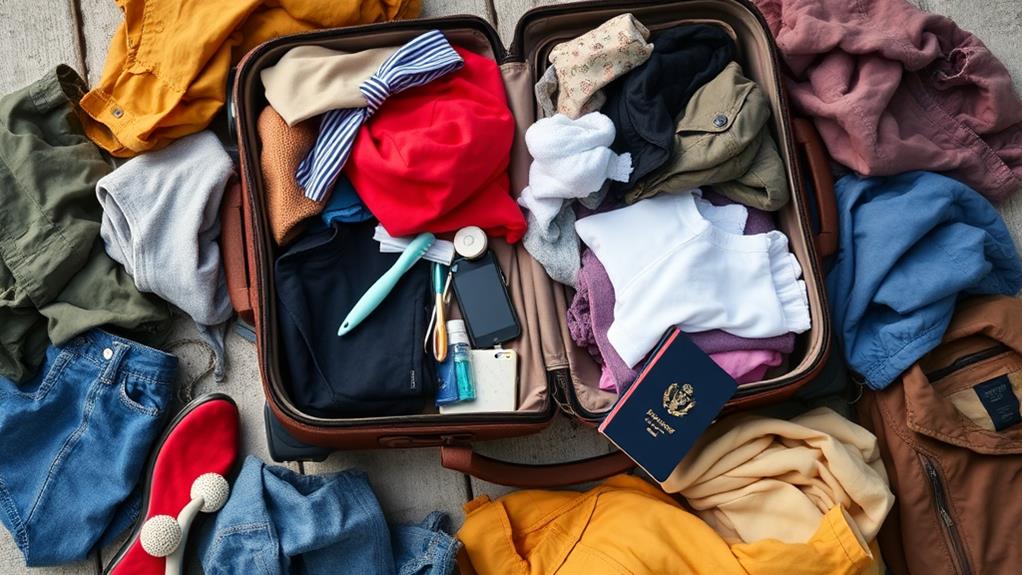
When you’re packing for a long-distance move, it’s crucial to focus on essential items to avoid stress and hassle.
Understanding the potential costs of your move can also help you prioritize what to pack and what to leave behind, especially since long-distance moves can range from $2,300 to $6,300 depending on household size and services average moving costs.
Make sure you have an organized packing strategy that includes an overnight kit with toiletries, medications, and a change of clothes, along with a personal carry-on bag for each family member.
Keep important documents like ID and financial records accessible to prevent delays and confusion during your move.
Essential Packing Materials
Many people overlook the importance of using the right packing materials, but this oversight can lead to damaged belongings during a long-distance move. To ensure proper packing, you need to gather essential packing supplies. Sturdy boxes, packing tape, bubble wrap, and packing peanuts are crucial for protecting your belongings. They provide the support and cushioning necessary for fragile items, reducing the risk of breakage.
Using inadequate materials, like old boxes or plastic bags, won’t offer the stability required for safe transit. It’s tempting to skimp on packing supplies, but not having enough can force you into last-minute improvisations. This often results in items being poorly protected, increasing the chance of damage. Investing in quality materials is a wise choice that pays off by keeping your belongings safe.
Before you start packing, prepare a comprehensive list of all the supplies you’ll need. This step ensures you have everything ready, making the process smoother and more efficient. By planning ahead, you avoid the stress of running out of materials and can focus on securely packing your items.
Organized Packing Strategy
A well-structured packing strategy can make your long-distance move significantly less stressful. When you plan to pack, start by creating a detailed checklist of essential items. This ensures you don’t forget anything crucial during the move. Think of it as your roadmap to a smooth transition.
Label boxes clearly, noting both their contents and the room they belong to. This simple step will streamline your unpacking process, saving you time and reducing stress when you arrive at your new home.
To keep things organized, consider using packing organizers like cubes or bags. These tools help categorize items, making it easier to find what you need once you’re settled in. Prioritize packing items like toiletries, medications, and important documents early on, so you can easily access them when necessary.
Planning ahead and systematically packing room by room is key. This approach prevents last-minute chaos and ensures a smoother experience.
If you find the process overwhelming, professional packing services can offer assistance, providing expertise and efficiency. They can help manage your items and ensure everything is packed securely.
Accessible Important Items
Packing for a long-distance move involves more than just boxing up your belongings; it requires strategic planning to ensure important items remain accessible throughout the journey. Failing to keep accessible important items close can lead to unnecessary stress and delays.
Avoid improper packing by organizing a personal carry-on bag filled with essentials. This way, you can access toiletries, medications, and a change of clothes without rummaging through boxes or relying on professional movers to find them.
Creating an overnight kit is crucial. It helps you settle quickly at your new location and provides comfort after a long moving day. Here’s what you should include:
- Change of Clothes: Having fresh clothes is essential for staying comfortable and ready for the next day.
- Basic Hygiene Products: Toothpaste, toothbrush, and deodorant are must-haves for maintaining personal hygiene during the move.
- Important Documents: Keep moving paperwork and identification easily accessible to prevent any logistical hiccups.
Each family member should have a designated bag for comfort items, maintaining a sense of normalcy during the transition.
Skipping Organization
Skipping organization when packing can lead to misplaced items and unnecessary stress, so it’s crucial to have a clear plan.
Labeling your boxes can prevent confusion and help you find what you need quickly in your new home.
Using efficient packing strategies, like creating a checklist, ensures you don’t forget essential items and makes the entire process smoother.
Importance of Labeling
Imagine opening a mountain of boxes in your new home, only to find yourself sifting through chaos because none are labeled. You’d quickly realize the importance of labeling. Without it, items people rely on can be misplaced or even lost.
A well-thought-out labeling system saves time and ensures you know exactly where everything is. Plus, it helps prevent damaged items. Movers can’t handle boxes carefully if they don’t know what’s inside.
Consider these key reasons to label your boxes:
- Quick Identification: Proper labeling lets you quickly identify contents, reducing the time spent searching for essentials during unpacking.
- Efficient Organization: Use a system like color-coding by room. This not only streamlines the process but also ensures boxes end up in the right places.
- Safety and Care: Labels with specific contents and handling instructions, like “Fragile” or “This Side Up,” prompt movers to take extra care, minimizing the risk of damaged items.
Skipping this crucial step can lead to loss and confusion, making it tough to track packed items in your new space.
Efficient Packing Strategies
A seamless moving experience often hinges on efficient packing strategies, which can significantly alleviate the stress of relocation. By focusing on organization, you can prevent the chaos that often accompanies moving. Skipping organization might lead to confusion and stress, especially when you’re trying to find essential items in your new place.
To start, create a detailed packing checklist. This checklist helps you keep track of your belongings and ensures nothing important gets left behind or overpacked.
Consider packing systematically by room. This method not only enhances your organization but also makes unpacking and setting up your new space a breeze. Imagine the ease of knowing exactly where your kitchen or bedroom items are as soon as you arrive.
Using color-coded labels on your boxes is another efficient packing strategy. These labels allow you to quickly identify the contents and their designated rooms, streamlining the unpacking process.
Investing time in organization before and during the packing stage can also protect your items. Well-packed boxes with protective materials minimize movement, reducing the risk of damage during the move.
Dismissing Professional Movers
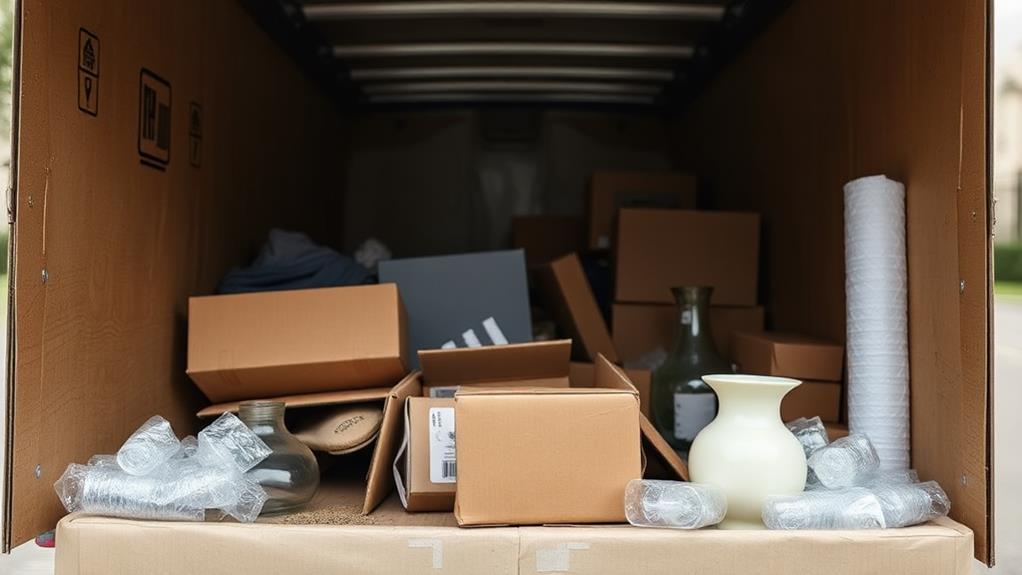
Ignoring the value of professional movers can transform a long-distance move into a logistical nightmare. When you take on the challenge yourself, you mightn’t realize the complexities involved.
Professional movers bring expertise in organizing and executing a move efficiently. They also come equipped with the right packing supplies, ensuring your belongings are safely packed and transported.
Here are three reasons why dismissing them isn’t the best idea:
- Expertise and Resources: Professional movers know how to handle the logistics of a long-distance move. They’ve access to extensive resources like packing supplies, trucks, and insurance options, which can significantly ease your moving process.
- Safety and Efficiency: DIY moving can lead to injuries due to heavy lifting and navigating unfamiliar roads. Movers are trained to do these tasks safely, reducing risks and ensuring your items are efficiently loaded and transported.
- Reliability and Commitment: Relying on friends and family often means dealing with last-minute cancellations or limited availability. Professional movers commit to your schedule, providing reliable support when you need it most.
Choosing professional movers can save you time, effort, and stress, making your long-distance move smoother and more manageable.
Improper Use of Packing Materials
Many people underestimate the importance of proper packing materials, leading to damaged items and increased stress during a long-distance move. It’s crucial to select the right materials to protect your belongings.
Using plastic bags instead of sturdy boxes can increase the risk of items breaking or spilling, as they don’t provide adequate protection or stability. Similarly, relying on old boxes might seem like a money-saver, but they’re prone to crumbling or box breakage, which can compromise your items’ safety.
Protecting fragile items is another essential step you shouldn’t skip. Bubble wrap and packing paper are your best friends in this situation, as they absorb shocks and prevent jostling during transport.
Overloading boxes is a common mistake—keeping each box under 50 pounds helps avoid box breakage and makes them easier to handle.
Lastly, don’t forget to fill empty spaces in boxes with packing peanuts or other cushioning materials. Without these, items can shift around during transit, increasing the likelihood of damage.
With the right packing materials, you can ensure your belongings arrive safely, reducing stress and potential losses during your move.
Neglecting to Label Boxes

Neglecting to label your boxes can lead to a chaotic and frustrating unpacking experience. When you arrive at your new home, unlabeled boxes can turn what should be an exciting time into a stressful hunt for essentials.
Imagine needing your favorite mug for a comforting cup of tea, only to dig through countless boxes to find it. Labeling boxes helps avoid this confusion and keeps your move organized.
Here’s why you should make labeling a priority:
- Efficiency and Organization: By labeling boxes with their room and contents, you make unpacking faster and more efficient. You’ll know exactly where each box belongs, helping you settle into your new home quickly.
- Careful Handling: Clear labels alert the moving company to handle fragile or valuable items with extra care. This means your cherished belongings have a better chance of arriving safely.
- Reduced Stress: According to industry experts, 70% of people feel stressed during unpacking due to unlabeled boxes. Avoid this frustration by ensuring each box is clearly marked.
Proper labeling is a simple step that can save you time and stress.
Don’t let unlabeled boxes complicate your move—grab a marker and get labeling!
Overloading Moving Boxes
When you overpack moving boxes, you risk creating instability that can complicate your move. Overloading moving boxes makes them difficult to stack safely during transport, increasing the risk of damage to your belongings. To avoid this, stick to a weight limit of 50 pounds per box. This ensures boxes are manageable and prevents injuries while lifting. Before sealing, test the weight by lifting the box; if it feels too heavy, redistribute the items into another box.
Excess weight can lead to breakage or torn handles, which could mean losing valuable items during the move. By spreading the load evenly across multiple boxes, you promote safer transport and easier handling. This strategy not only safeguards your items but also minimizes the chances of accidents on moving day.
Properly packed boxes aren’t just about weight limits. They help keep your belongings from jostling or getting crushed during long-distance travel.
Take the time to pack each box with care, balancing heavy and light items, to ensure everything arrives intact. Remember, a little extra effort in packing up front can save you a lot of stress and potential damage during the move.
Overlooking Insurance Options

While planning a long-distance move, don’t overlook the importance of securing adequate insurance for your belongings. Failing to do so can lead to significant financial losses if your items suffer transit damage. Understanding and selecting the right insurance options is crucial to protect your valuable items. Here’s why:
- Full-value protection: This type of insurance ensures you receive compensation for the total value of your items in case of loss or damage. It provides peace of mind knowing your belongings are financially protected. If something happens, you won’t be left covering the costs yourself.
- Variety of insurance options: Many moving companies offer different policies, each with its own coverage extent and limitations. It’s important to understand these options, so you know exactly what’s and isn’t covered. This knowledge helps you make informed decisions about additional coverage if needed.
- Special handling for valuable items: Items like antiques or high-value electronics often need extra protection. They face a higher risk of damage during long-distance transport, so additional insurance coverage is a smart choice to mitigate unexpected costs.
Conclusion
Packing for a long-distance move is like assembling a puzzle; each piece must fit perfectly to avoid chaos. Don’t procrastinate or misjudge the time needed, as rushing can lead to mistakes. Prioritize essentials, and keep everything organized. While professional movers might seem unnecessary, they can prevent mishaps. Use packing materials wisely, label boxes, and avoid overloading. Finally, consider insurance options for peace of mind. By navigating these challenges thoughtfully, your move will be smoother and more manageable.
Leave a Reply